
Wappinger Directory Collection Shelf
Wappinger is a town, not a historic city with a verified annual municipal directory run. The reliable record is a patchwork. The New York State Library identifies a Wappingers Falls telephone-book film. The Dutchess County Historical Society catalog lists selected regional Poughkeepsie directories. It also lists a Wappinger Falls history. Grinnell Public Library adds local newspaper microfilm. That microfilm can bridge a name or address between those separate items. Each source reaches differently. A regional directory may supply context. A telephone listing may name a subscriber. But neither serves as a complete roll of Town of Wappinger residents.
| Collection | Period or format | Holding desk | Practical access |
|---|---|---|---|
| Wappingers Falls telephone books | 1940/41, microfilm | New York State Library | Consult the verified film holding and record the exact page. |
| Poughkeepsie Directory, Lant | 1867–68 | Dutchess County Historical Society Research Library catalog | Use the catalog record, then ask about shelf access or copying. |
| Poughkeepsie City Directory, Vail | 1871–72 and 1872–73 | Dutchess County Historical Society Research Library | Regional context, not a proven Wappinger-wide list. |
| Wappinger Falls Past & Present | 1871–1971 | Dutchess County Historical Society Research Library | Historical orientation and a catalog-led research route. |
| Wappingers Chronicle | 1910–28; 1935–38 | Grinnell Public Library microfilm | In-library local notice and address follow-up. |
| Southern Dutchess News | Listed intervals from 1956/57 through 2011 | Grinnell Public Library microfilm | Longer-run notices, obituaries, and local chronology. |
For an address history, the historical tax rolls cover 1952 through 2019, and the federal census currently reaches 1950. Those dates make useful checkpoints. They do not turn the gaps into yearly directories. A title, repository, year, and access condition form a stronger note than any unsupported claim that a household appears in every year.
Why Wappinger Directories Are Patchwork
The local directory story has boundaries worth keeping visible. The verified Wappingers Falls item is a telephone book, not a fully inspected city directory. The cataloged Lant and Vail volumes are Poughkeepsie titles. They may reveal a regional connection without proving a Wappinger address. Newspaper runs begin and end at their own dates. The honest comparison is between what a repository confirms. The other side is what a reader can infer from it. A shelf listing confirms an item exists. It does not confirm the item is digitized, reverse-searchable, or comprehensive.
This boundary matters most when a name fails to appear. A person may have lived outside the volume's area. They may have been unlisted or used a different spelling. A Wappingers Falls or hamlet label may have been used instead. Record the negative search with the precise publication and year. Then test a newspaper, tax roll, deed, or census source. Do not treat one missing entry as a final answer.
Note: No authoritative continuous yearly Wappinger directory collection exists. Each date gap needs its own documented source.
Wappingers Falls Telephone-Book Evidence
The New York State Library directory inventory lists Wappingers Falls telephone books for 1940/41. They are held on microfilm. Begin with that title and period. Transcribe the subscriber name, any printed address, telephone number, and page exactly as shown. A telephone-book result is useful contemporaneous evidence. Still, it identifies a subscriber. It does not prove everyone in a household, a full street roster, or Town of Wappinger jurisdiction. The NYSL directory inventory remains the source for the verified Wappingers Falls telephone-book holding.
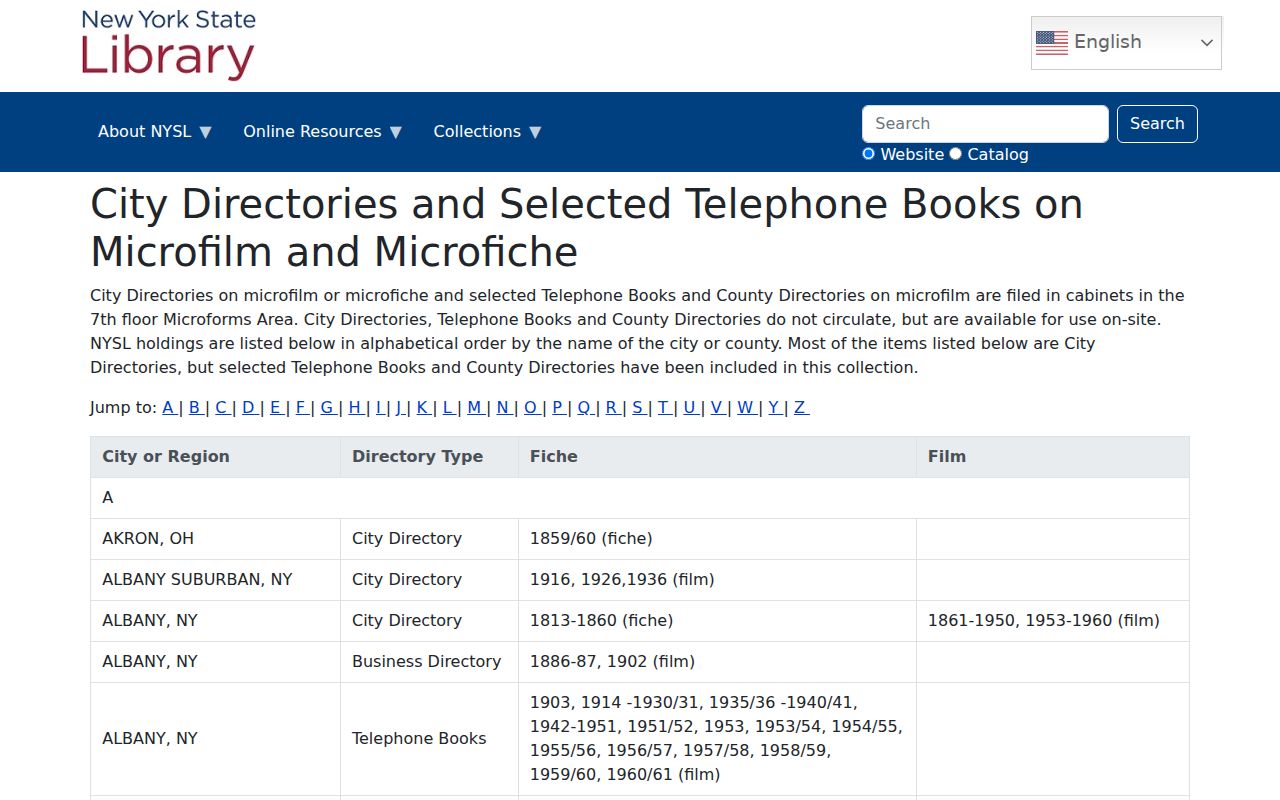
Request the correct film through the inventory before drawing conclusions from a printed name or number.
Wappinger Historical Directory Desks
Grinnell Public Library sits at 2642 East Main Street in Wappingers Falls. It keeps its Local History Collection for in-library use. Special Collections open by appointment. Its microfilm inventory is concrete. The Chronicle runs from June 1910 to September 1928. It resumes again from February 1935 to June 1938. The Herald spans September 1928 to June 1936. The Post covers February through November 1939. The Shopper runs November 1953 through August 1958. An obituary, anniversary, property notice, or move notice can narrow the period around a directory clue. For Wappinger city directory follow-up, Grinnell's Local History Collection provides the documented microfilm route.
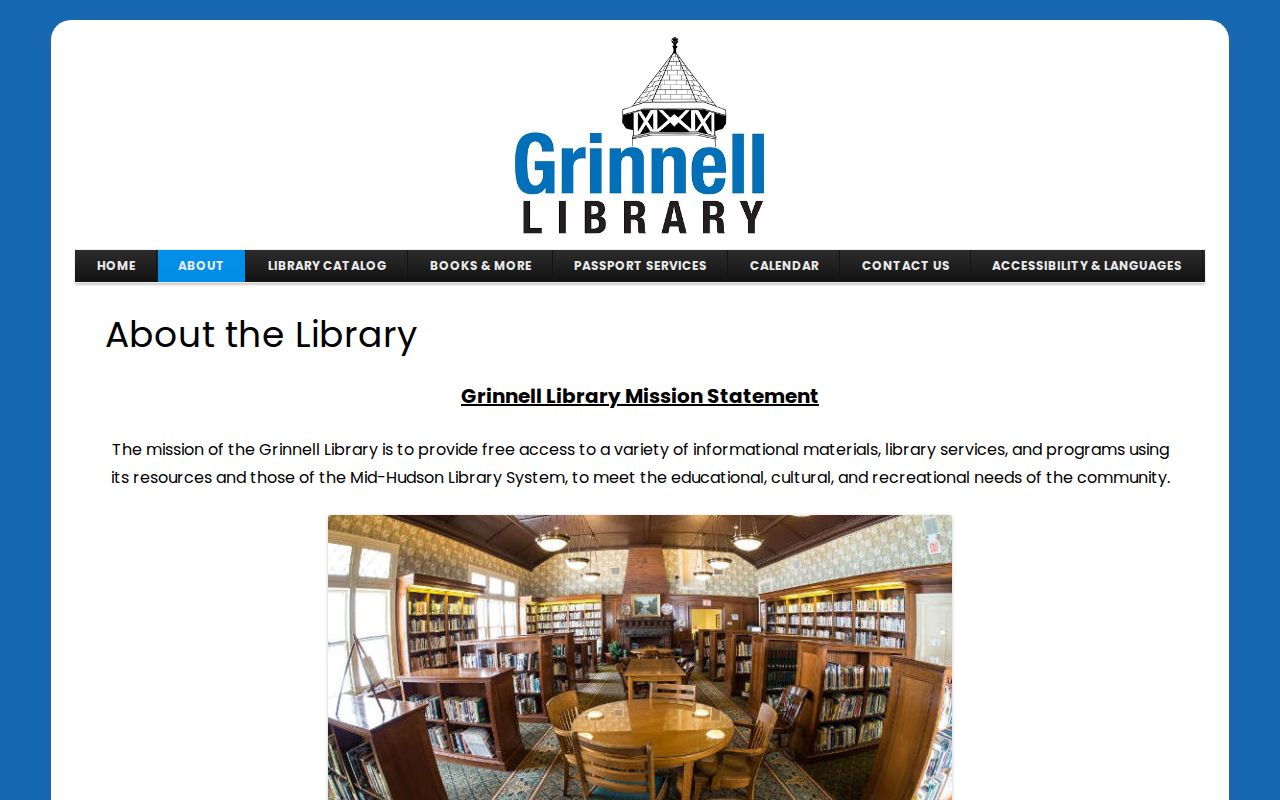
Its access rules call for an in-library visit or appointment. They do not assume the collection is searchable from home. The Dutchess County Historical Society Research Library catalog works as a complementary book locator. Search Wappinger, Wappingers Falls, a road, a surname, or an organization. Then preserve the title, call information, and year from the record. The catalog leads to maps, yearbooks, family files, and local histories. It also lists the early directory titles already identified. The DCHS holdings locator shows the catalog route for regional directories. It covers Wappinger Falls historical material as well.

A catalog result is a repeatable lead when it names the institution, the title, the volume or year, and whether access is on-site, microfilm, or digital.
Reading Wappinger Directory Evidence
The page-level Wappingers Falls directory entry and any local abbreviation key remain unexamined here. That gap matters. Copy only what the actual volume prints. Do not invent a sample line or assume later city-directory conventions appear in local telephone-book film. A name spelling, a printed address, and a telephone number can be copied when present. Any notation, relationship wording, address order, or owner mark must be read from the specific title. That rule holds for any year.
| Printed name | Transcribe the name exactly, including initials and punctuation, then compare variants in other records. |
|---|---|
| Address or locality | Copy it exactly if printed; a Wappingers Falls label still needs parcel or custodian confirmation for town jurisdiction. |
| Telephone number | Record the number only as a period-specific subscriber clue, not proof of a full household. |
| Marks and abbreviations | Photograph or note the volume’s own key before interpreting a notation. No local key was verified in advance. |
| Other possible fields | Only transcribe a relationship, address cross-reference, or other detail when it visibly appears on the consulted page. |
- Criss-cross directory
- A directory arranged by address rather than name. No verified Wappinger criss-cross year or run was located, so its presence must be confirmed in the requested volume.
- Householder index
- An index that may organize a publication around a household contact. It is not a substitute for the actual page and its coverage statement.
- Abbreviation key
- The publisher’s legend for shortened words or marks. It should be copied from the same volume before a notation is interpreted.
Wappinger Newspaper Directory Bridges
A directory clue often names a year, a person, or a street. That detail makes the Grinnell microfilm worth a narrow follow-up. Treat each newspaper as its own run rather than one big database. The Wappingers Chronicle, Herald, Post, Shopper, and Southern Dutchess News appeared on different schedules. So match a date to the library's documented inventory first. A dated notice can separate a move from an estate event. It can also distinguish a business item or a civic mention. Even so, it stays a lead. Compare it against a primary property, court, or vital record before concluding anything.
Bring the paper title and its date range to plan a visit. The in-library reels sit beside the 1940/41 telephone-book film, historical tax rolls, and later county records. That makes them a strong comparison set. A catalog tells you an object exists. A newspaper adds a dated local mention. Neither one alone proves who lived at a Wappinger address without supporting evidence.
Wappinger Directory Place-Name Quirk
Historic Wappinger searches need more than one locality term. The town split from Fishkill on May 20, 1875. Older material may sit under the Fishkill name. Wappingers Falls complicates things further. That village and postal label crosses both Town of Wappinger and Town of Poughkeepsie. A Wappingers Falls hit therefore does not settle which town holds the parcel or record. Always confirm the municipality and the custodian on the document itself.
Chelsea opens another set of catalog terms. Its earlier names were Low Point and Carthage Landing, with Chelsea-on-the-Hudson in use by 1908. Hughsonville, Middlebush, Myers Corners, New Hackensack, and Swartwoutville are worth testing too. Try them in catalogs, newspaper reels, and historical minutes. The Town of Wappinger historic-sites listing also names cemetery places. Those can give older research a dated endpoint. For official place-based context behind these Wappinger directory searches, the Town historic-sites and museums page is the standing reference.
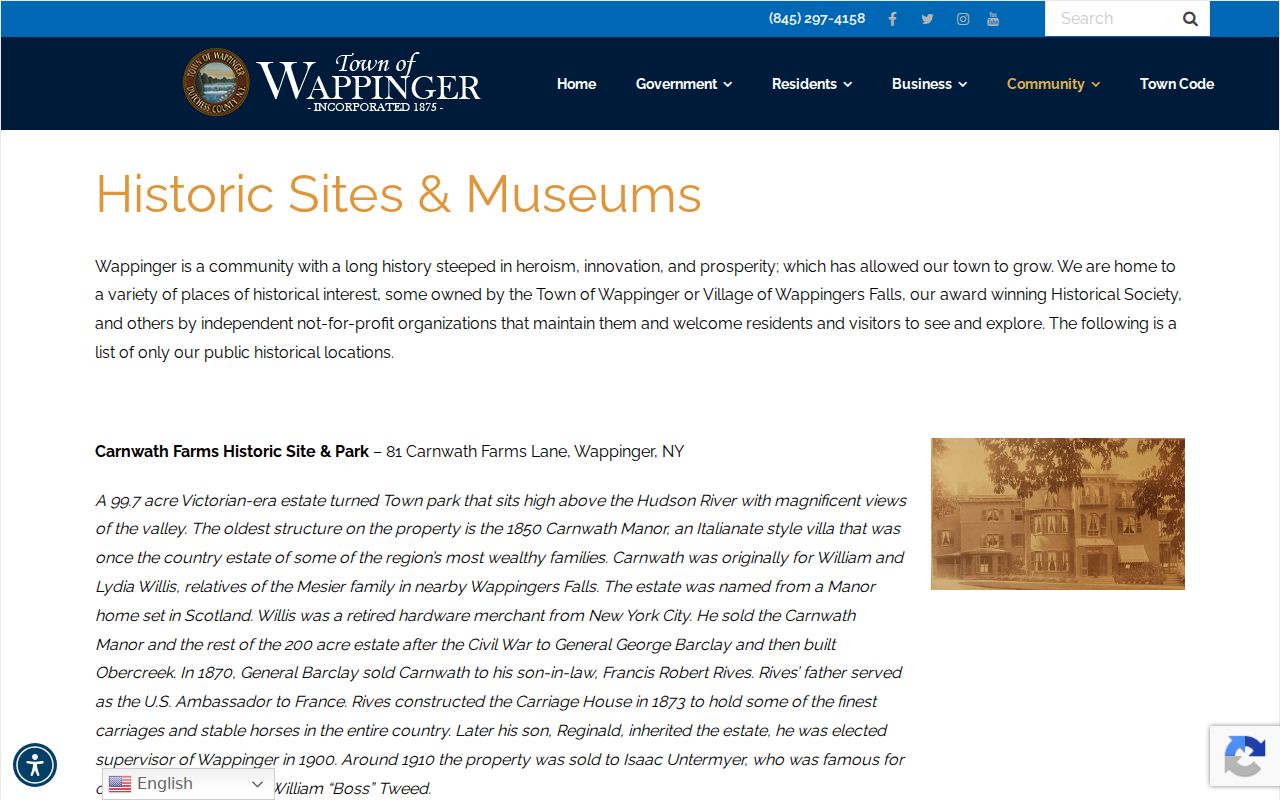
A cemetery or historic-site reference is only a place lead. It is not an online town interment index or proof of a household.
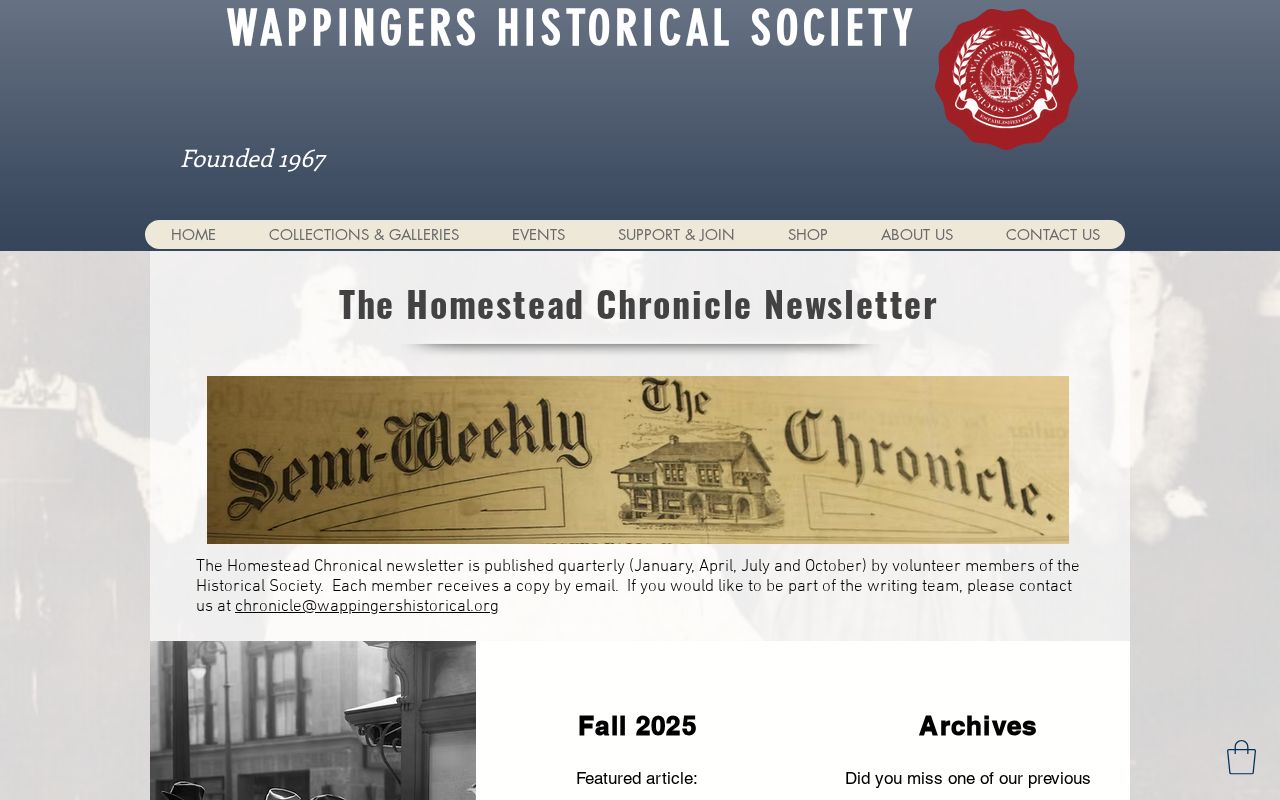
The Wappingers Historical Society's Homestead Chronicle names the society's Wappingers Falls booklet covering 1871–1971. The booklet pairs historical context with Mesier Homestead material. It is not an official name index for living people. This is a local-history reference. The Historical Society publication page documents what the society offers.
Use the place history to widen a catalog search. Then return to a dated primary record before settling any person or parcel question in Wappinger.
Tracing Wappinger City Directories
A household trail starts with one verified title and year, not a presumed annual run. Pair a telephone-book or directory clue with a local newspaper within roughly two years. Then compare it to historical tax rolls. You can also use a parcel record or a deed sequence where the address is known. The federal census, open through 1950, gives a dated household snapshot. Its geography can vary, though. Expect Wappinger, Wappingers Falls, a hamlet, or an earlier Fishkill-era description. Keep the title and page with every transcription so another researcher can repeat the comparison.
- Choose a confirmed NYSL or DCHS title for the correct place and period.
- Copy the printed spelling, address, number, and page without expanding an abbreviation that has not been verified.
- Check the closest documented Grinnell newspaper run for a notice, obituary, street mention, or move.
- Compare the address with the 1952–2019 tax-roll material or the county property and deed trail when the period allows.
- Pair the surname and period with the federal census, then preserve the source details for every positive or negative result.
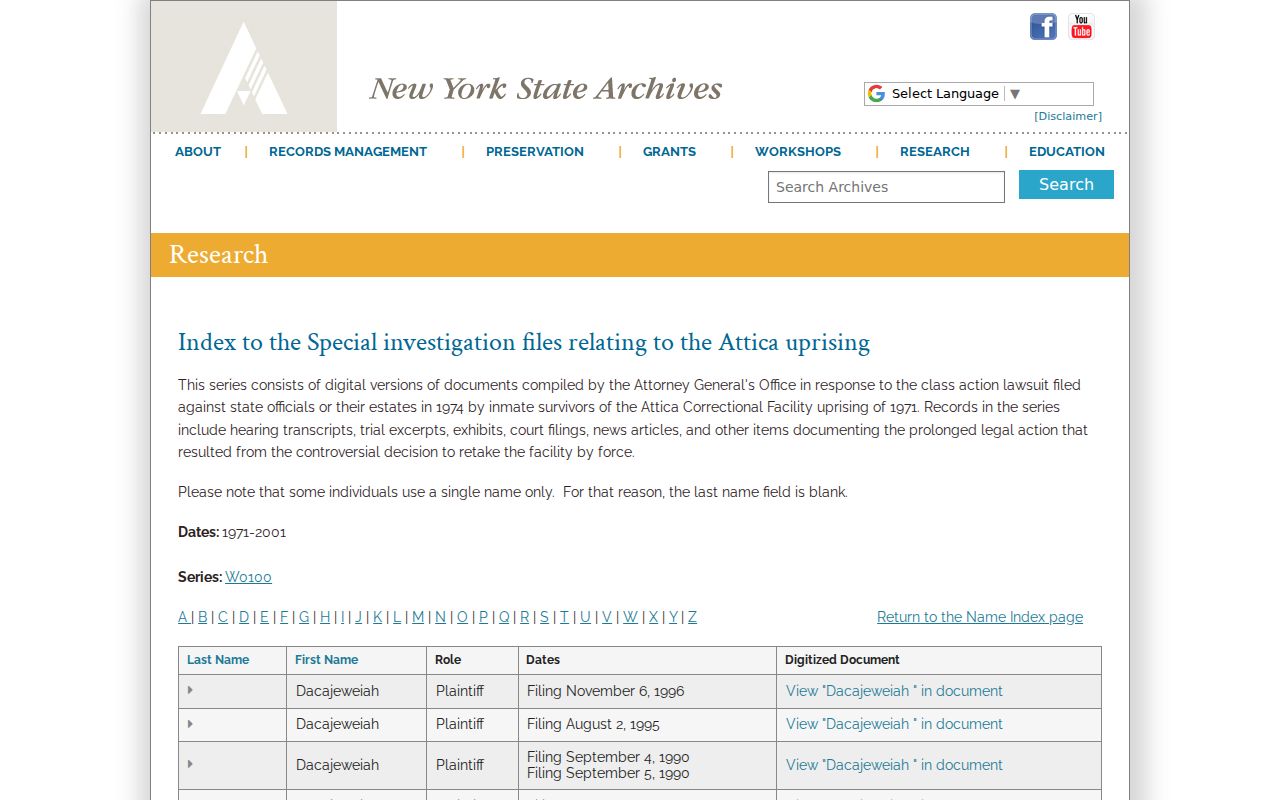
When local leads predate an online county document image, the New York State Archives name-index gateway can identify a relevant archival series. Read its scope, dates, and access instructions first. A missing name there is not proof of absence. The index is organized by series rather than as one all-name directory, so the State Archives name-index gateway works best as a documented escalation route for historical Wappinger research.
For a parcel-centered backward trail after a directory clue, the Wappinger past residents record path follows deeds, tax rolls, and household evidence. No directory alone answers the question.